
Verify InsuranceGet Directions
Get Help Now (732) 333-3167
Discovery Institute
  • Detox
    • Alcohol Detox
    • Amphetamine Detox
    • Benzodiazepine Detox
    • Cocaine Detox
    • Drug Detox
    • Medical Detox
    • Opiate Detox
    • Prescription Drug Detox
    • Meth Detox
    • Fentanyl Detox
    • Heroin Detox
  • Residential Treatment
    • Rehab
    • Treatment for Young Adults
    • Treatment for Adults
    • Treatment for Seniors
  • Programs
    • Intensive Outpatient Program
    • Addiction Counseling
      • Individual Therapy
      • Group Therapy
      • Cognitive Behavioral Therapy
      • Dialectical Behavior Therapy
      • Equine Therapy
      • Family Therapy
    • Dual Diagnosis
      • ADHD and Addiction
      • Anxiety and Addiction
      • Bipolar Disorder and Addiction
      • Depression and Addiction
      • Eating Disorders and Addiction
      • OCD and Addiction
      • PTSD and addiction
      • Personality Disorders and Addiction
    • Holistic Addiction Treatment
    • Relapse Prevention
    • Telehealth Treatments
    • Treatment Planning
    • Vocational Services
    • Alumni Program
  • Resources
    • Blog
    • Family Support
    • Addiction Guides
      • Am I an Addict?
      • Addiction & Health Problems
      • The Stages of Addiction
      • Guide for Parents of Addicts
      • Guide for Spouses of Addicts
      • Guide for the Children of Addicts
      • Understanding Overdose
      • Going Through Withdrawal
    • Insurance Coverage
      • Verify Your Insurance
      • Aetna Insurance
      • Blue Cross Blue Shield
      • Emblemhealth Insurance
      • Prosper
      • Tricare Insurance
      • Humana Insurance
      • Oxford Healthcare
      • United Healthcare
      • MHC for Treatment
      • 1199 Insurance
      • Princeton Health/MedPro Health Insurance
      • Horizon NJ Insurance
      • New York Hotel Trade Insurance
      • NY State Empire Plan Insurance
      • Empire Bluecross Blueshield
      • Iron Workers Local #40 Insurance
      • Qualcare
      • Beacon Health Options
      • Magnacare
      • Magellan
      • Amerihealth
      • Anthem Bluecross Blueshield
    • Interventions
    • Overdose Response Initiative
      • Naloxone Finder
      • Distribution
      • Overdose Resources
    • Sober Living
    • FAQ’s
    • Helpful Links
  • About
    • Our Purpose
    • Our Contributors
    • Our Team
    • Our Editorial Guidelines
    • Our Facility
    • Our Technology
    • Our Research
  • Contact
    • Admissions
    • Directions
    • Referral
    • Careers
Drug Addiction
Home / Blog / What are the Dangers of Self-Medication?

What are the Dangers of Self-Medication?

Written by

Dr. Michael DeShields, MD, ASAM, DABAM

Posted On: Apr 11, 2023
What are the Dangers of Self-Medication?

Jump to Section

Toggle
    • Table of Contents
  • What is Self-Medication?
  • What is Medication Misuse?
    • What are the Causes of Medication Misuse?
  • Recognizing Substance Abuse
    • What is Drug Abuse?
    • What is Drug Addiction?
  • Common Substances Used for Self-Medication
  • 6 Signs that You’re Self-Medicating
  • 4 Self-Help Tips
  • How to Help Someone Who’s Self-Medicating
  • How Discovery Institute Can Help

Table of Contents

  • What is Self-Medication?
  • What is Medication Misuse?
  • Recognizing Substance Abuse
  • Common Substances Used for Self-Medication
  • 6 Signs that You’re Self-Medicating
  • 4 Self-Help Tips
  • How to Help Someone Who’s Self-Medicating
  • How Discovery Institute Can Help

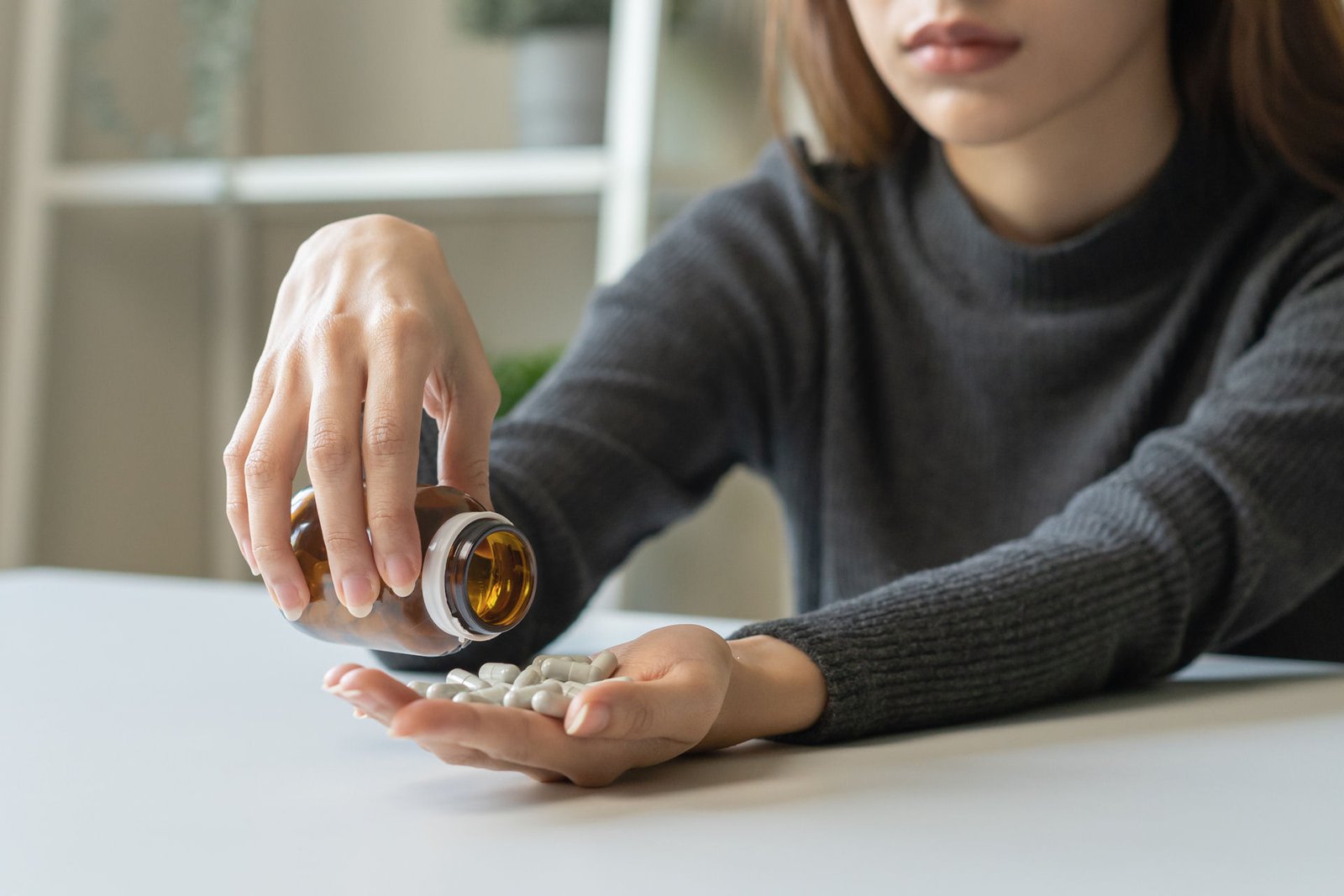
dangers of self-medicationTrying to medicate for a mental health issue can cause many problems besides the potential for addiction. It doesn’t matter what substance you turn to, self-medication can lead to:

  • Dependency, addiction, or both
  • Making the symptoms of the mood disorders worse, or creating new ones
  • Negative interaction with any prescription medications you may be taking
  • Increased problems with your health
  • Damaged relationships
  • Problems at work or school
  • Prevent or delay you from getting help

Although self-medicating can offer some relief in the short term, it only makes problems worse in the long run.

What is Self-Medication?

In times of stress and anxiety, many people turn to substances to try to change the way they feel. They may use food, smoke a joint, or have a drink or two to settle their nerves. Some will turn to Xanax or Valium to help them sleep. And some will use ADHD medications to help keep them focused during the day. Still, others will use prescription painkillers to numb grief or stress.

When a person uses drugs or drinks alcohol to manage symptoms of a mental health issue, it’s called “self-medicating.” They may know that they have a mental health issue but don’t know any better ways to cope with it. Many times, their condition is undiagnosed and the drugs or alcohol is used to deal with a specific symptom or situation.

What is Medication Misuse?

There are more than 4 billion prescriptions written in the U.S. each year. It’s easy to understand that some of these medications wind up being misused or in the wrong hands. When medication isn’t used as prescribed or “saved for an emergency,” it creates opportunities for misuse.

Misuse of both over-the-counter and prescription medicine happens when:

  • It’s used in ways that weren’t prescribed or directed.
  • You use a prescription that isn’t yours.
  • It was used only to get high.
  • You take an incorrect dose.
  • You skip a dose.
  • You take the drug at the wrong time.
  • You stop taking the drug too soon.

What are the Causes of Medication Misuse?

People abuse medications for many reasons such as:

  • To get high or just feel good
  • To relieve tension and relax
  • To relieve pain
  • To reduce appetite
  • To improve academic or athletic performance
  • To explore the mental effects
  • To prevent withdrawal and maintain addiction
  • To be social or accepted by peers.

Recognizing Substance Abuse

It’s easy to go from self-medicating a mental health or emotional issue to abusing alcohol or drugs. A substance abuse problem isn’t defined by what you drink or which drug you use. Likewise, it’s not defined by when you use it or how much you use it. The effects of use are what define the problem. If your self-medicating is causing problems in your life or relationships, you have a problem with substance abuse.

What is Drug Abuse?

Drug abuse happens when any drugs, including alcohol, illegal drugs, or any psychoactive substances are misused to inflict self-harm or just to get high. This is also called substance use disorder (SUD) because people who abuse drugs have significantly changed their behavior, thinking, and body functions.

What is Drug Addiction?

Drug addiction is also called severe SUD and is a brain disorder that appears as the uncontrollable use of a substance even though it is causing harm to the person’s life. People suffering from addiction have a physical and psychological need to use the substance. If they don’t use it, they experience intense withdrawal symptoms.

Common Substances Used for Self-Medication

Continued use of these drugs can lead to abuse and drug addiction.

Alcohol

The most common method of self-medication, and also the most commonly abused substance, is alcohol. Even though beer, wine, and liquor are all depressants, alcohol is commonly used to self-medicate:

  • stress,
  • depression, and
  • anxiety.

Prescription Drugs

Also widely available are:

  • Opioid and prescription drugs
  • ADHD medication (stimulants)
  • Anti-anxiety medications

The use of these drugs includes:

  • Relieving pain
  • Relaxation
  • Improving concentration\
  • Increasing energy.

Recreational Drugs

Drugs such as marijuana, cannabis, or stimulants like amphetamines and cocaine are frequently used to manage uncomfortable:

  • Situations
  • Emotions
  • Memories

Nicotine

The nicotine in cigarettes and other tobacco products helps some people focus, but in the long run, it tends to make ADHD symptoms worse and harder to quit.

6 Signs that You’re Self-Medicating

It’s not always easy to recognize when you’re self-medicating, or the dangers of self-medication. Drinking alcohol is generally socially acceptable and prescription medications are found in most bathroom medicine cabinets. Even the recreational drug marijuana is now legal in many states and easy to obtain.

It’s important to examine your reasons for drinking or taking drugs, as well as their impact on your life, to understand whether you’re self-medicating or not. Are you taking a pain pill because you hurt your back or because you had a bad day at work? Are you drinking to be sociable with friends or trying to feel less anxious? Six signs that you’re self-medicating are:

  1. When you feel anxious, depressed, or stressed, you turn to alcohol or drugs for relief. Many people use substances to cope with bad news. But if you use drugs or alcohol regularly to deal with stress, improve how you feel, relieve boredom, or prepare for a social function, you may be self-medicating.
  2. Alcohol and drugs make you feel worse.
    Using a substance tends to be only a temporary solution. After the effects wear off, you’re likely to feel worse. Self-medicating can:

    • Affect how well you sleep
    • Reduce your energy
    • Diminish your immune system,
    • Making you more inclined to become ill

    In addition, your mood and emotional well-being will be affected, This can trap you in a downward spiral of worse moods and increased use of substances.

  3. You need increasingly more amounts of the substance to feel relief.
    It used to take one or two drinks to relieve your anxiety, now it takes more to experience the same effects. As you continue self-medicating, your tolerance will keep increasing.
  4. Your problems are increasing.
    You may have started drinking or using drugs to deal with stress, but now that has led to a relationship, health, and financial problems to deal with as well.
  5. You worry when you don’t have access to alcohol or drugs.
    • Do you worry when you’re in a situation where your substance won’t be available?
    • Do you get anxious when your prescription starts to run out?
    • Do you get agitated waiting for payday so you can restock your supply?

    If you become restless and uncomfortable about being separated from your substance, the more likely it is that you are self-medicating.

  6. Friends or family have expressed concern about your substance use.
    Are they worried you’re drinking more than usual or noticed the changes in your personality or social life? The dangers of self-medication also affect those around you.

4 Self-Help Tips

  1. Identify your patterns–recognize how and when you’re self-medicating and be honest.
  2. Change your beliefs–if you’re medicating your moods and emotions, you may believe it is more effective than it is. Even when you realize that it’s only a temporary fix, it can be hard to shake off the false beliefs you’ve built up in your mind.
  3. Find healthier ways to cope–reach out for social support, exercise, practice relaxation techniques, improve sleep, and eat a healthy diet.
  4. Combine your treatments–if self-medicating a mental health issue has triggered a substance abuse issue or addiction, it’s called a dual diagnosis. To get help for a dual diagnosis, both problems need to be treated at the same time.

How to Help Someone Who’s Self-Medicating

self-medication dangerHelping someone who’s self-medicating can be a struggle. You need to:


  • Overcome their denial
  • Help them recognize why they’re self-medicating
  • Deal with the underlying condition and the problems caused by substance abuse.

You can’t force them to deal with their conditions, but you can offer love and support and encourage them to seek help. Here are some ways you can help:

  • Talk to them–talk about the damage being caused when you’re both calm and sober.
  • Learn what you can about their underlying mental health issue–the more you learn, the more you can help.
  • Encourage them to seek professional help–even a general check-up with a doctor.
  • Don’t use drugs or drink with your loved one or argue about their substance abuse when they’re impaired.
  • Encourage social activities–support from friends and family is necessary for recovery.
  • Set boundaries–be realistic about the amount of time you can offer them and place limits on disruptive behaviors.
  • Be patient–recovery is an ongoing process and it’s common to relapse.
  • Get support for yourself–Don’t let your loved one’s problems wear you down. You may need a support group or a therapist for yourself.

How Discovery Institute Can Help

Discovery Institute is a detox and rehab center in New Jersey, with the help you need for yourself or someone you care about. Because we have many programs and a comprehensive continuum of care, you can have a program created specifically for you. This is what we have to offer you:

Medical Detox

The medical detox process ensures that you have the best opportunity to go through withdrawal safely, comfortably, and successfully with 24-hour medical supervision and any medications necessary.

Residential Program

After detoxing, you are ready for treatment. It may be necessary for a residential rehab program where you will live at our facility and receive round-the-clock care in a structured, safe facility.

Intensive Outpatient Program (IOP)

We also have an intensive outpatient program if your problem is not severe and doesn’t require 24-hour care, or if residential is not an option for you. In an IOP, you spend several days at the treatment center and go home at the end of each day. This type of program is also used as a step-down from the residential program.

Relapse Prevention Plan

The early days of your recovery are when you are most likely to relapse. Discovery Institute provides relapse prevention therapy to help you avoid the pitfalls that are bound to happen in early recovery

Dual Diagnosis Program

Because mental health and substance use disorders need to be treated simultaneously to be effective, we have a dual diagnosis program for people who may have these co-occurring disorders. This is a common occurrence for people who have been self-medicating.

In addition to these programs, we can offer holistic treatment, telehealth, and vocational services. Our counselors and addiction specialists are experienced in specialized treatment including:

  • Treatment for young adults
  • Treatment for adults
  • Treatment for Seniors

Discovery Institute can provide you with a custom-made program to suit your particular needs and the needs of your family. You don’t have to suffer. Contact us today.

risk of self-medication

References:

https://drugfree.org/article/medication-misuse/

https://meridianpsychiatricpartners.com/drug-misuse-abuse-and-ad

Dr. Michael DeShields, MD, ASAM, DABAM( Medical Reviewer )

Dr. Michael DeShields, MD, ASAM, DABAM, is a distinguished Medical Director with nearly 40 years of expertise in addiction medicine. A diplomate of the American Board of Addiction Medicine and the American Society of Addiction Medicine since 1996, he is renowned for his leadership and commitment to evidence-based, patient-centered care. Dr. DeShields earned his medical degree from Temple University School of Medicine and completed his training at Cooper University Medical Center, where he cultivated his passion for addiction treatment. His dedication and innovation continue to shape the field, guiding clinical teams and supporting patients on their recovery journey.

Dr. Michael DeShields, MD, ASAM, DABAM

Read More

Are You Covered For Insurance Treatment?

Insurance Logo
Insurance Logo
Insurance Logo
Insurance Logo
Insurance Logo
Insurance Logo
Learn More

Need Professional Help With Addiction?

  • Rehab Programs
  • Drug Rehab
  • Alcohol Detox
  • Drug Detox

Addiction Recovery & Detox

  • Rehab Programs
  • Drug Rehab
  • Alcohol Detox
  • Drug Detox

Drug & Substance Abuse FAQs

  • Rehab Programs
  • Drug Rehab
  • Alcohol Detox
  • Drug Detox

Copyright © 2026 Discovery Institute. All Rights Reserved.

Accessibility Toolbar

  • Powered with favoriteLove by Codenroll

GET IN TOUCH

We’re Ready When You Are.

Call 24/7 to have a discussion with one of our treatment professionals the call is completely free. Admission Line and explanation of convenient private phone and free prescreening.

Need Help? Contact Us

(732) 333-3167


Schedule Your Admission

Free assessment and 100% confidential  
  • This field is for validation purposes and should be left unchanged.
Footer Logo
  (732) 333-3167
  80 Conover Rd
Marlboro, NJ 07746
       
Joint-Commission

About Discovery

  • About
  • Meet Our Staff
  • Admissions Information
  • Contact Us
  • Get Directions
  • Review Us
  • Find Us On the Web
  • COVID-19 Protocols

Rehab & Treatment

  • Rehab Programs
  • Drug Rehab
  • Alcohol Detox
  • Drug Detox

Get Directions

Map

Addiction Resources

  • Learn About Addiction
  • Am I An Addict
  • Common Rehab Questions
  • Insurance Verification

Copyright © 2025. All Rights Reserved. Discovery Institute Recovery Center | Privacy Policy | Accessibility

Jump to Section

×
    • Table of Contents
  • What is Self-Medication?
  • What is Medication Misuse?
    • What are the Causes of Medication Misuse?
  • Recognizing Substance Abuse
    • What is Drug Abuse?
    • What is Drug Addiction?
  • Common Substances Used for Self-Medication
  • 6 Signs that You’re Self-Medicating
  • 4 Self-Help Tips
  • How to Help Someone Who’s Self-Medicating
  • How Discovery Institute Can Help
→ Table of Contents