
Verify InsuranceGet Directions
Get Help Now (732) 333-3167
Discovery Institute
  • Detox
    • Alcohol Detox
    • Amphetamine Detox
    • Benzodiazepine Detox
    • Cocaine Detox
    • Drug Detox
    • Medical Detox
    • Opiate Detox
    • Prescription Drug Detox
    • Meth Detox
    • Fentanyl Detox
    • Heroin Detox
  • Residential Treatment
    • Rehab
    • Treatment for Young Adults
    • Treatment for Adults
    • Treatment for Seniors
  • Programs
    • Intensive Outpatient Program
    • Addiction Counseling
      • Individual Therapy
      • Group Therapy
      • Cognitive Behavioral Therapy
      • Dialectical Behavior Therapy
      • Equine Therapy
      • Family Therapy
    • Dual Diagnosis
      • ADHD and Addiction
      • Anxiety and Addiction
      • Bipolar Disorder and Addiction
      • Depression and Addiction
      • Eating Disorders and Addiction
      • OCD and Addiction
      • PTSD and addiction
      • Personality Disorders and Addiction
    • Holistic Addiction Treatment
    • Relapse Prevention
    • Telehealth Treatments
    • Treatment Planning
    • Vocational Services
    • Alumni Program
  • Resources
    • Blog
    • Family Support
    • Addiction Guides
      • Am I an Addict?
      • Addiction & Health Problems
      • The Stages of Addiction
      • Guide for Parents of Addicts
      • Guide for Spouses of Addicts
      • Guide for the Children of Addicts
      • Understanding Overdose
      • Going Through Withdrawal
    • Insurance Coverage
      • Verify Your Insurance
      • Aetna Insurance
      • Blue Cross Blue Shield
      • Emblemhealth Insurance
      • Prosper
      • Tricare Insurance
      • Humana Insurance
      • Oxford Healthcare
      • United Healthcare
      • MHC for Treatment
      • 1199 Insurance
      • Princeton Health/MedPro Health Insurance
      • Horizon NJ Insurance
      • New York Hotel Trade Insurance
      • NY State Empire Plan Insurance
      • Empire Bluecross Blueshield
      • Iron Workers Local #40 Insurance
      • Qualcare
      • Beacon Health Options
      • Magnacare
      • Magellan
      • Amerihealth
      • Anthem Bluecross Blueshield
    • Interventions
    • Overdose Response Initiative
      • Naloxone Finder
      • Distribution
      • Overdose Resources
    • Sober Living
    • FAQ’s
    • Helpful Links
  • About
    • Our Purpose
    • Our Contributors
    • Our Team
    • Our Editorial Guidelines
    • Our Facility
    • Our Technology
    • Our Research
  • Contact
    • Admissions
    • Directions
    • Referral
    • Careers
Alcohol addiction
Home / Blog / Alcohol and Mood Swings: How to Spot Them

Alcohol and Mood Swings: How to Spot Them

Written by

Dr. Michael DeShields, MD, ASAM, DABAM

Posted On: Sep 18, 2023
Alcohol and Mood Swings: How to Spot Them

Jump to Section

Toggle
    • Table of Contents
  • Alcohol Addiction
    • Alcohol Withdrawal
  • Mood Swings in Early Sobriety
  • Alcohol and Mood Swings
  • Signs of Alcohol-Induced Mood Swings
  • Short-Term Effects of Alcohol on an Individual’s Mood
  • Long-Term Effects of Alcohol on an Individual’s Mood
  • Techniques to Manage Mood Swings in Recovery
  • Is Alcohol Related to Other Mood Disorders?
  • Treatment for Alcohol and Mood Swings
  • Speak to an Expert
  • Receive Alcoholism Treatment at Discovery Institute

Table of Contents

  • Alcohol Addiction
  • Mood Swings in Early Sobriety
  • Alcohol and Mood Swings
  • Signs of Alcohol-Induced Mood Swings
  • Short-Term Effects of Alcohol on an Individual’s Mood
  • Long-Term Effects of Alcohol on an Individual’s Mood
  • Techniques to Manage Mood Swings in Recovery
  • Is Alcohol Related to Other Mood Disorders?
  • Treatment for Alcohol and Mood Swings
  • Speak to an Expert
  • Receive Alcoholism Treatment at Discovery Institute

Alcohol is a depressant that can cause drastic shifts in mood and behavior. While it can be used to enhance or even create enjoyable experiences, alcohol addiction can lead to serious health problems including depression, anxiety, and substance use disorders.

Mood swings related to drinking alcohol are often seen in people with an addiction problem. However, they may also occur in those who drink heavily but not to the point of addiction. Recognizing the signs and symptoms associated with alcohol-related mood swings can help individuals receive the treatment they need before a serious condition develops.

If you or a loved one is suffering from addiction, reach out to our treatment facility in NJ for information about our services.

Alcohol Addiction

Alcohol addiction can cause extreme shifts in mood and behavior. When someone is addicted to alcohol, their body has become dependent on the substance and they are unable to stop drinking without help. This dependence can also lead to cravings for alcohol that have a strong effect on moods and behaviors.

In addition, since alcohol use affects the brain’s chemistry, individuals can experience extreme mood swings when they are trying to quit or reduce their drinking. These mood changes can be sudden and dramatic, making it difficult for the individual to control their actions.

Alcohol Withdrawal

Alcohol withdrawal occurs when someone suddenly stops drinking after a period of heavy drinking. During this process, the body is deprived of the alcohol it has become accustomed to and may require an alcohol detox center for safe management. The withdrawal can lead to a variety of symptoms including mood swings.

Symptoms of withdrawal can range from mild to severe and even require medical intervention in some cases. Common symptoms include anxiety, irritability, depression, restlessness, tremors, fatigue, and nausea.

Mood Swings in Early Sobriety

During the early stages of alcohol withdrawal, people may experience mood swings due to the changes in chemicals and hormones that occur when alcohol leaves the body. Mood swings in early sobriety can manifest as anger, sadness, depression, or even manic episodes.

While it can be difficult for some people to adjust to life without drinking, it is important to remember that these mood swings are temporary and will eventually subside with time.

Alcohol and Mood Swings

Alcohol abuse can lead to serious side effects including mood swings. If someone is having difficulty controlling their drinking and they are exhibiting signs of alcohol-induced mood swings, they may be suffering from addiction and a co-occurring disorder. They must look into dual-diagnosis treatment program from a healthcare professional as soon as possible.

Treatment may include therapy and medication to help manage the underlying causes of the problem. With proper care and support, people can minimize the risk of developing a serious mental health condition related to alcohol and mood swings.

Signs of Alcohol-Induced Mood Swings

alcohol and mood swingsIt can be difficult to spot the signs of alcohol-induced mood swings, as they may not always be immediately apparent. Paying attention to changes in someone’s behavior or emotional responses when drinking can help identify potential problems. Some common signs of alcohol-induced mood swings include:

  • Increased irritability
  • Short temper and aggressive outbursts
  • Emotional instability – alternating between feelings of joy and sadness
  • Poor decision-making or judgment
  • Feeling out of control or unable to regulate emotions
  • Difficulty sleeping or staying asleep

If you or a loved one is experiencing symptoms related to alcohol and mood swings, get in touch with a treatment professional.

Short-Term Effects of Alcohol on an Individual’s Mood

When someone consumes alcohol, it can temporarily impact their mood. While some people may experience feelings of euphoria or relaxation after drinking, others may become more aggressive or irritable.

Drinking can cause a person’s level of inhibition to be reduced which can lead to impulsive behavior. It is also important to note that drinking alcohol can impair judgment and coordination which can lead to dangerous situations.

Long-Term Effects of Alcohol on an Individual’s Mood

Long-term alcohol abuse can hurt someone’s mood. When someone drinks heavily over an extended period, they may experience depression or anxiety disorders due to the changes in their brain chemistry. If they are based in New Jersey, seeking anxiety therapy in NJ can be a beneficial step in addressing these issues.

Drinking too much can lead to changes in a person’s behavior such as aggression or excessive risk-taking. Regularly drinking large quantities of alcohol can also lead to addiction which can have serious consequences for both physical and mental health.

Techniques to Manage Mood Swings in Recovery

Those in recovery need to find healthy ways to manage their mood swings. Exercise, meditation, and spending time with friends are all great ways to help regulate emotions and reduce stress. Additionally, it may be beneficial for someone in recovery to establish daily routines as this will help structure the day and provide a sense of comfort.

It is also crucial to seek out a support system of individuals who understand the recovery process and can provide emotional support when needed. Lastly, therapy can be an effective technique for managing mood swings in recovery as it can help someone better understand their thoughts and feelings.

Is Alcohol Related to Other Mood Disorders?

Mood disorders related to alcohol can include depression, anxiety, bipolar disorder, and attention-deficit/hyperactivity disorder (ADHD). These mental health issues may become apparent as a person begins to drink more heavily or as their drinking becomes a regular part of their life.

Symptoms of mood disorders related to alcohol may include

  • Feelings of sadness or guilt
  • Difficulty concentrating and making decisions
  • Changes in behavior
  • Irritability,
  • Decreased libido
  • Lack of energy
  • Insomnia

Make sure to seek professional help if you are concerned about your drinking habits. A doctor or therapist can provide the necessary guidance and support you need for recovery.

While it may take time to identify the underlying cause of the issue, understanding the impact of alcohol on mood swings is essential in developing a plan to manage the condition.

Treatment for Alcohol and Mood Swings

When it comes to treating alcohol and mood swings, there are a variety of options available. Treatment for this condition typically involves medication (which may be prescribed by a doctor) and/or therapy (such as group therapy or talk therapy).

Medication-Assisted Treatment

Medications such as antidepressants can help reduce symptoms of depression or anxiety associated with withdrawal from alcohol use. Additionally, medications such as naltrexone, acamprosate, and disulfiram can help reduce the craving for alcohol.

Therapy

Therapy can also be a beneficial tool in helping to manage mood swings related to abstinence from alcohol. For example, cognitive behavioral therapy (CBT) helps individuals identify and address thought patterns that lead to negative emotions or behaviors.

Other therapies, such as EMDR (Eye Movement Desensitization and Reprocessing) or mindfulness-based therapies, can also be beneficial in helping to reduce the intensity of mood swings.

Lifestyle Modifications

In addition to medication and therapy, lifestyle modifications (such as maintaining healthy habits like regular exercise and a nutritious diet) and support groups can also be useful in managing alcohol and mood swings.

Support groups can provide an outlet for individuals to openly share their experiences and work together to find healthier alternatives to drinking, while lifestyle modifications can help bring balance and stability back into daily life.

It is important to note that it is not easy to overcome alcohol abuse and the associated mood swings. It takes time and dedication to make a successful recovery, but with the help of a qualified treatment team, it is possible to find relief and stability.

Speak to an Expert

mood swings and alcoholIf you or someone close to you is struggling with alcohol and mood swings, you must speak to a healthcare professional as soon as possible. Mental health experts such as psychologists, counselors, and addiction specialists can provide individualized treatment plans that will help manage symptoms and promote long-term recovery.

Additionally, support groups can be a valuable resource for individuals in recovery by providing a source of social support and accountability.

No matter what techniques or treatments you decide to pursue, remember that mood swings related to alcohol abuse can be difficult to manage. With patience and dedication, however, individuals in recovery can find ways to cope with their emotions and remain abstinent from alcohol.

Even if a person has been sober for an extended period, they may still experience mood swings as they continue on their path toward recovery. With the right support system and techniques in place, individuals can maintain their sobriety and lead a healthier lifestyle.

Receive Alcoholism Treatment at Discovery Institute

At Discovery Institute in NJ, we understand the importance of seeking treatment for alcohol and mood swings. Our evidence-based treatment programs are tailored to meet each individual’s unique needs and provide comprehensive care that is centered around long-term recovery.

Our team of experts provides medication management, psychotherapy, support groups, and more to help individuals achieve sobriety and a healthier lifestyle.

Don’t wait to get treatment. The sooner you seek help, the easier it will be to achieve sobriety. Contact us today to learn more about how we can help you or a loved one on the road to recovery.

Dr. Michael DeShields, MD, ASAM, DABAM( Medical Reviewer )

Dr. Michael DeShields, MD, ASAM, DABAM, is a distinguished Medical Director with nearly 40 years of expertise in addiction medicine. A diplomate of the American Board of Addiction Medicine and the American Society of Addiction Medicine since 1996, he is renowned for his leadership and commitment to evidence-based, patient-centered care. Dr. DeShields earned his medical degree from Temple University School of Medicine and completed his training at Cooper University Medical Center, where he cultivated his passion for addiction treatment. His dedication and innovation continue to shape the field, guiding clinical teams and supporting patients on their recovery journey.

Dr. Michael DeShields, MD, ASAM, DABAM

Read More

Are You Covered For Insurance Treatment?

Insurance Logo
Insurance Logo
Insurance Logo
Insurance Logo
Insurance Logo
Insurance Logo
Learn More

Need Professional Help With Addiction?

  • Rehab Programs
  • Drug Rehab
  • Alcohol Detox
  • Drug Detox

Addiction Recovery & Detox

  • Rehab Programs
  • Drug Rehab
  • Alcohol Detox
  • Drug Detox

Drug & Substance Abuse FAQs

  • Rehab Programs
  • Drug Rehab
  • Alcohol Detox
  • Drug Detox

Copyright © 2026 Discovery Institute. All Rights Reserved.

Accessibility Toolbar

  • Powered with favoriteLove by Codenroll

GET IN TOUCH

We’re Ready When You Are.

Call 24/7 to have a discussion with one of our treatment professionals the call is completely free. Admission Line and explanation of convenient private phone and free prescreening.

Need Help? Contact Us

(732) 333-3167


Schedule Your Admission

Free assessment and 100% confidential  
  • This field is for validation purposes and should be left unchanged.
Footer Logo
  (732) 333-3167
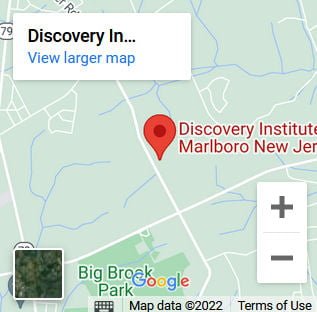
  80 Conover Rd
Marlboro, NJ 07746
       
Joint-Commission

About Discovery

  • About
  • Meet Our Staff
  • Admissions Information
  • Contact Us
  • Get Directions
  • Review Us
  • Find Us On the Web
  • COVID-19 Protocols

Rehab & Treatment

  • Rehab Programs
  • Drug Rehab
  • Alcohol Detox
  • Drug Detox

Get Directions

Map

Addiction Resources

  • Learn About Addiction
  • Am I An Addict
  • Common Rehab Questions
  • Insurance Verification

Copyright © 2025. All Rights Reserved. Discovery Institute Recovery Center | Privacy Policy | Accessibility

Jump to Section

×
    • Table of Contents
  • Alcohol Addiction
    • Alcohol Withdrawal
  • Mood Swings in Early Sobriety
  • Alcohol and Mood Swings
  • Signs of Alcohol-Induced Mood Swings
  • Short-Term Effects of Alcohol on an Individual’s Mood
  • Long-Term Effects of Alcohol on an Individual’s Mood
  • Techniques to Manage Mood Swings in Recovery
  • Is Alcohol Related to Other Mood Disorders?
  • Treatment for Alcohol and Mood Swings
  • Speak to an Expert
  • Receive Alcoholism Treatment at Discovery Institute
→ Table of Contents